The Rise of Fragranced Body Oils: Why Luxury Brands Are Betting Big on Scented Skin Oils in 2026
Luxury fragrance is no longer limited to perfume bottles.
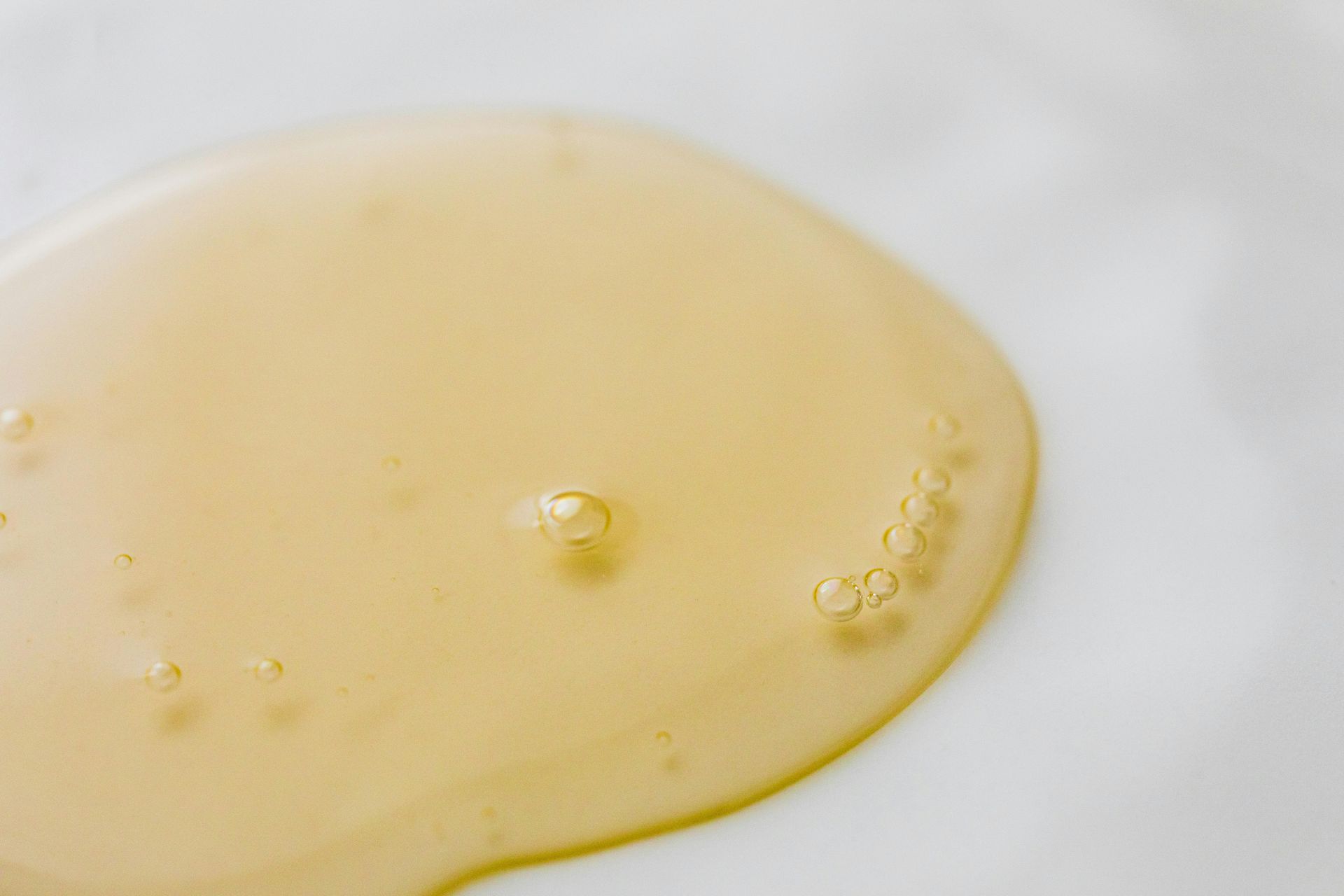
Fragranced body oil is HOT — a hybrid product that combines skincare, sensory experience, and prestige fragrance into a single ritual.
From glow-enhancing dry oils to deeply moisturizing botanical blends infused with sophisticated fragrance accords, fragranced body oils are rapidly becoming a staple across luxury beauty, spa, wellness, and lifestyle brands.
For emerging and established brands alike, the opportunity is significant.
Why Fragranced Body Oils Are Trending
Modern consumers want more than basic moisturization.
Today’s body oil customer is looking for:
- A luxurious sensory experience
- Long-lasting fragrance on skin
- Fast-absorbing hydration
- Glow-enhancing finishes
- Sophisticated packaging
- Elevated self-care rituals
- Layering products that complement perfumes
This shift has created a major opportunity for beauty brands entering the body oil market.
Fragranced body oils now sit at the intersection of:
- Skincare
- Fine fragrance
- Wellness
- Luxury body care
- Prestige beauty
The result is a category with strong perceived value and premium retail potential.
What Makes a Great Fragranced Body Oil?
Not all body oils perform the same.
The best fragranced body oils balance:
- Skin feel
- Absorption speed
- Fragrance performance
- Oxidation resistance
- Packaging compatibility
- Aesthetic finish on skin
At AURA, formulations are often designed around both performance and brand positioning.
For example, some brands want:
- Lightweight “dry oil” aesthetics
- Rich spa-like treatment oils
- Golden shimmer oils
- Fragrance-forward luxury oils
- Sensitive skin body oils
- Natural botanical oil blends
- Fast-absorbing daily-use oils
These different directions can require different raw material strategies.
Popular Oils Used in Luxury Body Oil Formulations
Some of the most commonly used oils in modern body oil manufacturing include:
Jojoba Oil
Known for its elegant skin feel and compatibility with many skin types, jojoba oil is widely used in premium body oils.
Squalane
A lightweight emollient prized for its silky finish and luxurious absorption profile.
Grapeseed Oil
Popular for lighter-weight formulations and fast absorption.
Meadowfoam Seed Oil
Often selected for sophisticated texture.
Sweet Almond Oil
A classic emollient commonly used in body care applications.
Sunflower Oil
Frequently incorporated into nourishing oil blends due to its fatty acid profile.
Coconut-Derived Emollients
Used in many modern “dry oil” formulations to reduce greasy after-feel.
Ingredient selection depends heavily on:
- Desired skin finish
- Fragrance intensity
- Price point
- Shelf-life goals
- Packaging format
- Brand positioning
The Fragrance Layering Trend Is Driving Growth
Consumers increasingly view fragrance as part of a complete body ritual rather than a standalone perfume purchase.
This has fueled interest in:
- Perfume-inspired body oils
- Matching body oil and fragrance collections
- Scent-layering routines
- Hair and body fragrance systems
- Fragrance-enhancing moisturization
Many luxury brands now launch:
- Body sprays
- Body oil
- Body cream
- Shower gel
...all in the same fragrance categories.
For new beauty brands, fragranced body oils can provide:
- Strong margins
- Premium branding opportunities
- Viral social media appeal
- Giftability
- Lower complexity than some emulsified skincare products
Private Label vs. Custom Fragranced Body Oil Manufacturing
Private Label Body Oils
Private label body oil manufacturing can offer:
- Faster speed to market
- Lower MOQs
- Reduced development timelines
- Lower upfront investment
This approach is often ideal for:
- Influencer brands
- Boutique retailers
- Salons
- Med spas
- E-commerce startups
Custom Formulation Body Oils
Custom body oil formulation allows brands to:
- Create unique textures
- Develop proprietary fragrance directions
- Customize ingredient decks
- Align with specific brand aesthetics
- Differentiate in crowded markets
Custom formulation is often selected by:
- Prestige beauty brands
- Retail-focused brands
- Founders seeking exclusivity
- Fragrance-first concepts
At AURA, both private label and custom body oil manufacturing options are available depending on project goals.
Packaging Matters More Than Most Brands Realize
Packaging can significantly impact:
- Shelf appeal
- Fragrance preservation
- Oil stability
- Customer perception
- Brand positioning
Popular packaging options include:
- Glass dropper bottles
- Treatment pumps
- Luxe heavy-base glass
- UV-protective bottles
- Frosted packaging
- Decorative secondary cartons
What Brands Should Consider Before Launching a Body Oil
Before manufacturing a fragranced body oil, brands should think about:
Target Customer
Luxury spa customer? Clean beauty shopper? Fragrance enthusiast?
Desired Skin Feel
Rich and nourishing? Lightweight and dry-touch?
Fragrance Direction
Warm gourmand? Coastal? Floral? Oud? Vanilla musk?
Packaging Goals
Minimalist? Editorial? Prestige?
Price Point
Mass prestige and luxury formulations often require different ingredient strategies.
Claims & Compliance
Marketing language should remain compliant and avoid unsupported drug claims.
Why Body Oils Perform Well in Luxury Beauty
Body oils align extremely well with current consumer behavior:
- Self-care rituals
- Sensory wellness
- Skin-first beauty
- Layered fragrance routines
- Elevated daily experiences
They also photograph exceptionally well for:
- TikTok
- Editorial campaigns
- Influencer content
- Luxury e-commerce
Choosing the Right Body Oil Manufacturer
Selecting the right manufacturing partner matters.
Brands should look for a manufacturer that understands:
- Luxury aesthetics
- Fragrance integration
- Oil stability
- Packaging compatibility
- Production scalability
- Ingredient sourcing
- Modern beauty trends
Services may include:
- Private label body oil manufacturing
- Custom formulation
- Fragrance development coordination
- Packaging guidance
- Filling and production
- Product development support
Final Thoughts
Fragranced body oils are no longer a niche category.
They are quickly becoming one of the most exciting segments in luxury beauty — combining skincare, fragrance, wellness, and visual storytelling into a single product experience.
For beauty brands looking to enter an exciting category with strong branding potential, fragranced body oils represent a compelling opportunity.
As consumer demand for elevated body care continues to rise, brands that focus on formulation quality, sophisticated fragrance direction, and premium presentation should be positioned to stand out.
Ready to launch your fragranced body oil brand? Reach out to AURA here.
Frequently Asked Questions
What is a fragranced body oil?
A fragranced body oil is an oil-based body care product designed to moisturize the skin while also delivering a noticeable scent experience.
Are body oils better than lotions?
Some consumers prefer body oils for their sensory feel, glow-enhancing finish, and compatibility with fragrance layering routines. Preference varies by skin type and product goals.
What oils are commonly used in luxury body oils?
Common oils include jojoba oil, grapeseed oil, squalane, meadowfoam seed oil, sunflower oil, sweet almond oil, and prickly pear.
Can fragranced body oils be private labeled?
Yes. Many manufacturers offer private label fragranced body oil options with varying levels of customization.
How long does it take to manufacture a custom body oil?
Timelines vary depending on formulation complexity, packaging sourcing, and production scheduling.
Disclaimer: Individual product performance and commercial success may vary. Product development timelines, compatibility, and stability depend on formulation, packaging, fragrance composition, and manufacturing requirements. AURA Consulting & Manufacturing does not provide legal or regulatory advice. This content is provided for informational purposes only and reflects general industry insights and opinions. Individual results may vary based on market conditions, brand strategy, and execution. AURA does not guarantee commercial success and encourages all brands to conduct their own research and due diligence before launching a product.